
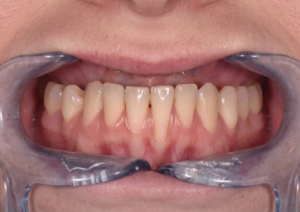
Have you noticed your teeth looking longer than they used to or experiencing increased tooth sensitivity? If you’re asking yourself, “Why are my gums receding?”, you’re not alone. Gum recession is a common dental concern that often develops gradually, making it easy to overlook until symptoms become more noticeable.
While several factors can contribute to gum recession, two everyday habits are responsible for many cases. Fortunately, making small changes and staying proactive with preventive dental care can help protect your gums and preserve your smile.
Gum recession occurs when the gum tissue surrounding your teeth begins to pull away, exposing more of the tooth or even the root surface. Healthy gums act as a protective barrier for your teeth, so when they recede, your risk of sensitivity, decay, and gum disease increases.
Common signs of receding gums include:
Because gum tissue does not naturally grow back, early detection and preventive care are essential.
Brushing your teeth every day is one of the best things you can do for your oral health, but brushing too aggressively can have the opposite effect.
Using a hard-bristled toothbrush or applying excessive pressure can gradually wear away gum tissue and enamel. Over time, this repeated trauma may lead to gum recession.
Tips for Healthier Brushing
To protect your gums:
Gentle, consistent brushing removes plaque just as effectively without damaging your gums.
Many people think brushing and flossing at home are enough to keep their gums healthy. While daily oral hygiene is essential, professional preventive care plays an equally important role.
Even with excellent brushing habits, plaque can harden into tartar in areas your toothbrush cannot reach. Once tartar forms, it can only be removed during a professional teeth cleaning.
Without routine teeth cleanings, bacteria continue to build along and below the gumline, increasing the risk of gingivitis, periodontal disease, and gum recession.
Scheduling regular teeth cleaning appointments is one of the easiest ways to protect your gums before problems develop.
Professional cleanings help:
Routine preventive care allows your dental team to catch small issues before they become larger, more expensive problems.
If gum disease has already developed, your dentist may recommend a periodontal cleaning rather than a standard dental cleaning.
A periodontal cleaning focuses on removing bacteria and tartar from below the gumline, where infection can damage the supporting tissues around your teeth. This type of treatment helps reduce inflammation, promote healthier gums, and slow or prevent additional gum recession.
Early periodontal treatment can often help patients avoid more advanced procedures later.
Although brushing too hard and neglecting preventive care are two of the biggest contributors, gum recession may also result from:
Your dentist can identify the underlying cause during a comprehensive examination and recommend the most appropriate treatment.
Keeping your gums healthy doesn’t require complicated routines. A few consistent habits can make a significant difference over time.
Healthy gums start with:
Preventive care is one of the most effective ways to protect your smile and reduce your risk of gum recession.
If your gums are pulling away from your teeth or you’ve noticed increased sensitivity, don’t wait for the problem to worsen. Early treatment can help protect your teeth, preserve your gum tissue, and prevent more extensive dental care in the future.
At Progressive Dental Care, we believe prevention is the foundation of lifelong oral health. Our team provides comprehensive teeth cleaning, periodontal cleaning, and preventive dental services to help patients maintain healthy gums and confident smiles.
Whether you need your routine cleaning or are concerned about gum recession, we’re here to help you protect your smile for years to come.
Schedule your preventive dental appointment with Progressive Dental Care today and take the first step toward healthier gums and a healthier smile.
All rights reserved by Progressive Dental Care 2026
